
On Friday night in Ikeja, policing in Lagos sounded different. There were no blaring sirens, no barked commands, no sense of urgency that usually defines security gatherings. Instead, the POWA Multipurpose Hall glowed under soft lights as music warm, measured and confident filled the air. Guests swayed, some danced, others simply listened. For a few hours, authority gave way to harmony.

It was the formal unveiling of the Lagos State Police Command Band (the first in the command’s history) but it felt less like a ceremony and more like a conversation. Through rhythm and melody, the police were speaking to the public in a language that required no force.

In a city as fast, loud and complicated as Lagos, the decision to embrace music as a tool of engagement marked a subtle but significant shift. Policing, at least for this night, was being reimagined through soft power.

Commissioning the band, Inspector-General of Police, Kayode Egbetokun, described it as more than a ceremonial addition. It was, he said, a deliberate effort to humanise the force, rebuild public trust and restore emotional balance for officers who operate daily under intense pressure.

“Progress does not always announce itself loudly,” Egbetokun noted. “Sometimes, it comes through quiet decisions that strengthen identity and close long-standing gaps.”

For decades, despite its size and strategic importance, the Lagos State Command had no band of its own, relying instead on the Force Headquarters Band. Functional, yes but hardly fitting for Nigeria’s busiest police formation. That gap, the IGP said, had lingered too long. “Today, that omission has been corrected,” he declared.
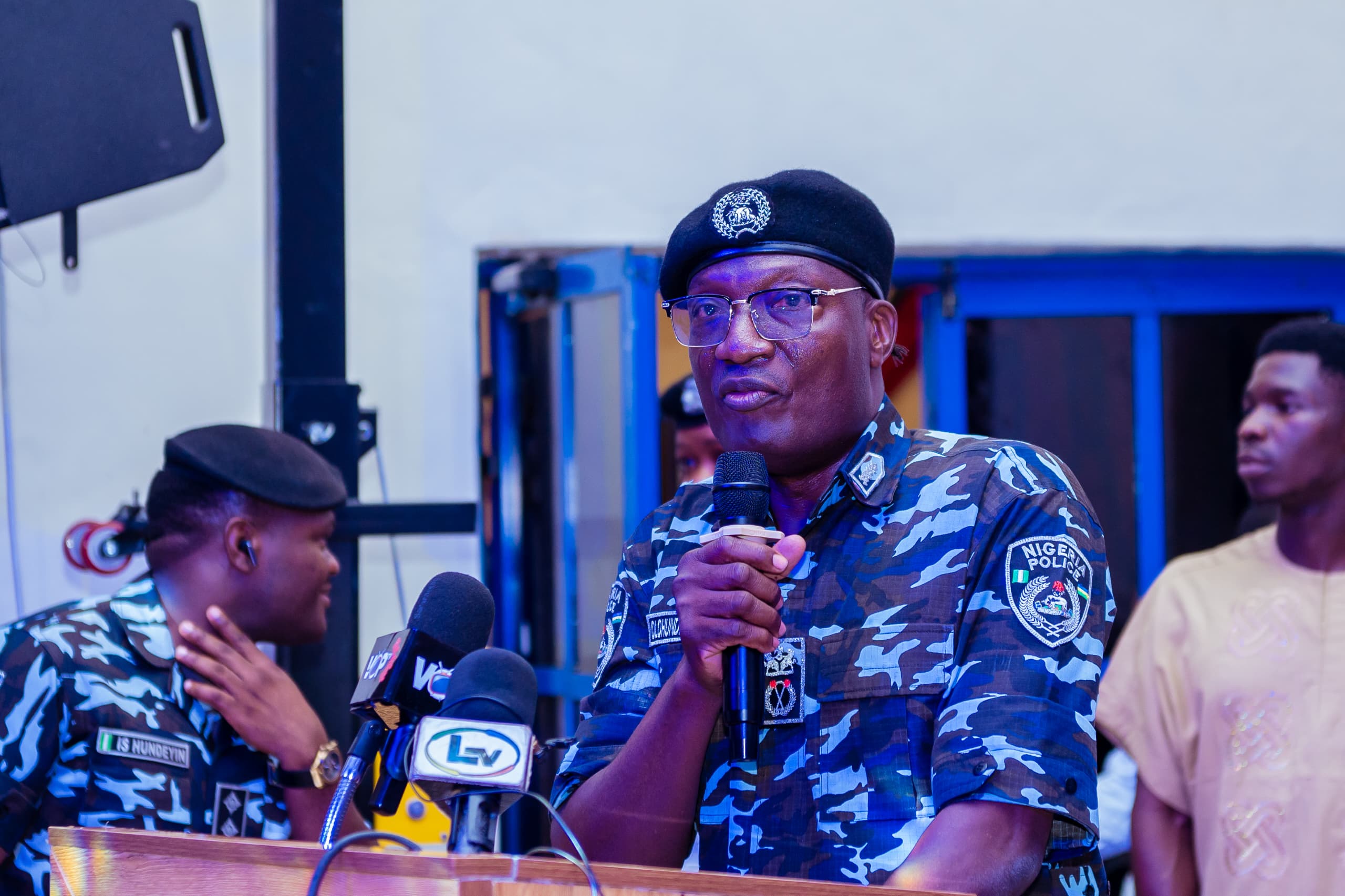
Purpose-built and structured, the new band will handle ceremonial, official and representational duties within the command. But beyond formality, Egbetokun emphasised its deeper value the unseen impact of music on morale, perception and public confidence.

“Whenever the Police Band performs, it evokes pride. It inspires officers. It draws the public closer,” he said. “Without words, music communicates discipline, unity and national purpose.”

That quiet influence, he added, has made the Police Band one of the most sought-after units in the Force, with young officers actively seeking conversion after training.
The Lagos band, Egbetokun stressed, must now set its own standards. As pioneers, its members are not just musicians but ambassadors, shaping how the police are remembered long after the last note fades.
Representing Governor Babajide Sanwo-Olu, the Secretary to the State Government, Mrs Folashade Salu-Hundeyin, described the launch as deeply reflective of Lagos itself energetic, diverse and constantly in motion.

“In a city where millions wake up each day chasing hope, policing goes beyond protection,” she said. “It is about understanding people. It is about relationships.”

Security, the governor noted, is not built solely with patrols and sirens, but with presence, partnership and shared experience. The police band, he said, signals a force willing to listen as much as it commands.
Music, he added, sits at the heart of Lagos culture. It shapes social life, bridges differences and brings people together. By embracing it, the police are stepping closer to the people they serve.

Trust, Sanwo-Olu stressed, remains the most powerful tool in security. Communities cooperate when they feel understood. Children engage when they see the police not only as authority figures, but as human beings capable of inspiring joy.

“When the band performs in schools, community events and civic celebrations, perceptions begin to shift,” he said. “These moments may seem small, but they matter.”
Lagos State Chief Judge, Justice Kazeem Aloba, echoed that sentiment, describing the police as long-standing partners in the administration of justice. Music, he noted, had always accompanied the judiciary’s ceremonial moments and for good reason.
“Security work is demanding,” he said. “Music eases pressure. It preserves strength for tomorrow.”

Earlier, Commissioner of Police, Olohundare Jimoh, traced the roots of the Nigeria Police Band to 1966 at the Police College, Ikeja, noting its enduring role in ceremonial excellence. For a megacity like Lagos, operating under relentless pressure and complexity, the absence of a command band, he said, was an institutional weakness.

“Music humanises the police,” Jimoh said. “It builds trust, supports non-violent crowd control, boosts morale and strengthens corporate identity.”

For the Executive Secretary of the Lagos State Security Trust Fund, Dr Ayodele Ogunsan, the band represents wellness — an acknowledgment that officers, too, need balance.

“Music calms nerves and restores emotional stability,” he said. “A relaxed officer is a more effective officer.”

As the night drew to a close, the message was unmistakable. The Lagos State Police Command Band is not just about performance. It is about tone. About presence. About redefining how authority relates to the people.
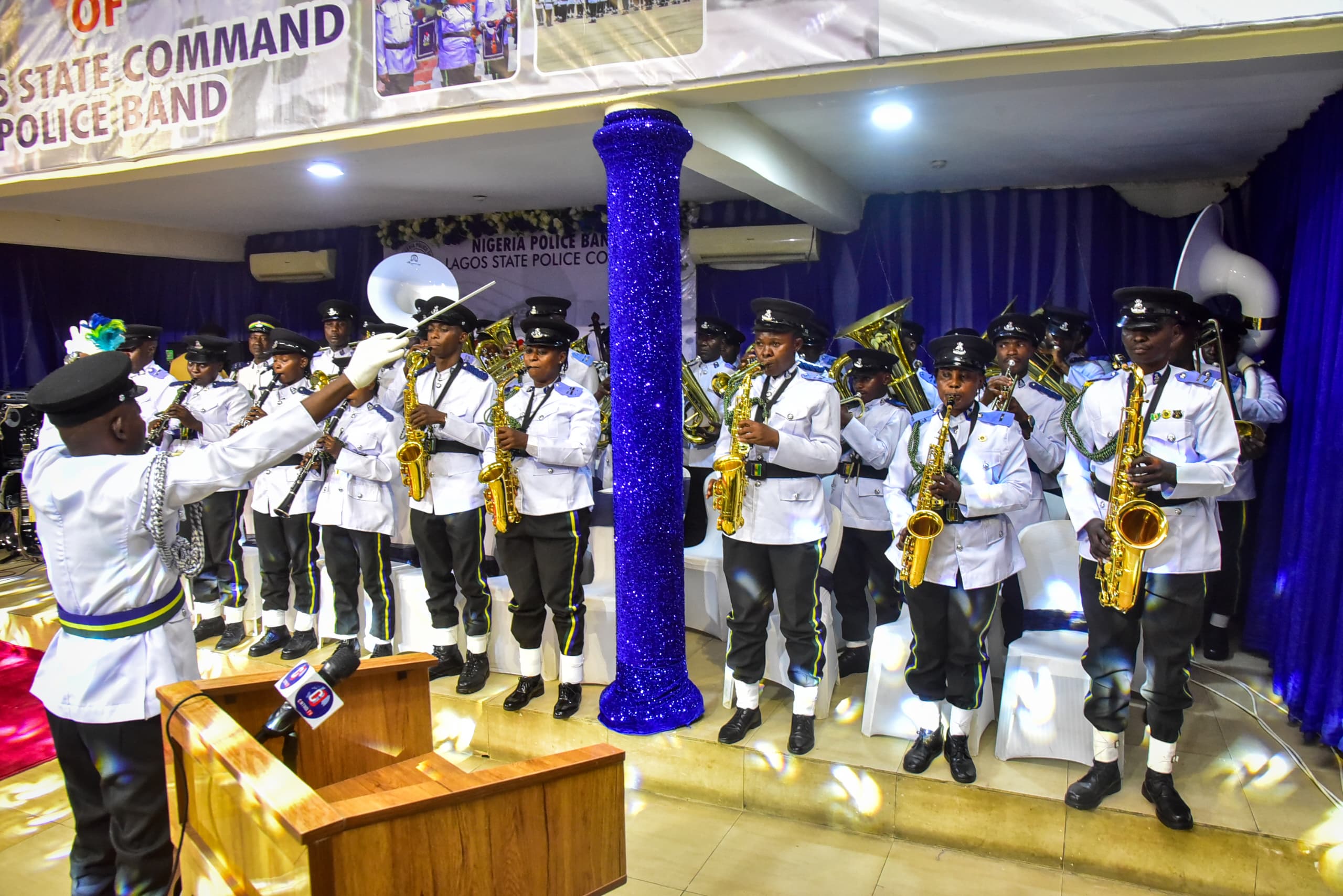
In a city that never sleeps, policing has found a new rhythm one that listens, connects and gently reminds Lagosians that behind every uniform is a human story.


